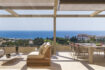
Branded Residences Marbella: St. Regis, Four Seasons & Waldorf Astoria
Branded residences in Marbella are entering a new era. On 20 October 2026, the city confirmed plans for St. Regis Marbella Resort, a beachfront luxury destination featuring 151 private residences and a 169-room hotel, with an anticipated opening in 2031.
The announcement places St. Regis alongside two other major hospitality names developing residential destinations in Marbella: Four Seasons and Waldorf Astoria. Meanwhile, fashion and automotive brands such as Dolce&Gabbana, Missoni and Lamborghini are helping redefine what luxury property can look like across the wider Costa del Sol.
This is more than a hotel-development story. It reflects a growing international market for privately owned homes that combine distinctive design, prestigious branding and, in some cases, hotel-style services.
For buyers comparing Marbella with Dubai, Miami and other established luxury destinations, understanding these projects is increasingly important.
This guide examines the developments, their announced timelines, the differences between hospitality and designer-branded residences, and the questions international purchasers should ask before investing.
What Are Branded Residences in Marbella?
Branded residences are privately owned residential properties associated with a recognised luxury brand.
The brand may be an international hotel operator, a fashion house, a designer or an automotive manufacturer. Its involvement can influence the architecture, interiors, services, amenities and overall identity of a development.
For example, a hotel-branded residence may offer access to concierge assistance, housekeeping, wellness facilities or private dining. A fashion-branded residence may instead focus on distinctive interiors, materials and design.
The crucial distinction is what the branding agreement actually delivers.
A luxury name on a building does not automatically mean that residents receive unlimited hotel services, that the property can be rented commercially or that the brand will remain associated with the development indefinitely.
These are contractual matters that buyers must verify.
St. Regis Marbella: The Landmark Announcement of October 2026
The most significant recent development in Marbella’s branded-residences market is The St. Regis Marbella Resort and its associated private residences.
Announced through an agreement involving Marriott International, Sierra Blanca Estates and Platinum Estates, the project is planned for Las Dunas in Marbella East.
Marbella City Council confirmed the agreement on 20 October 2026, outlining an investment exceeding €500 million and an anticipated opening in 2031.
St. Regis Marbella Resort: Key Facts
| Feature | Announced details |
|---|---|
| Location | Las Dunas, Marbella East |
| Hospitality brand | St. Regis, part of Marriott International |
| Development partners | Sierra Blanca Estates and Platinum Estates |
| Hotel | 169 rooms |
| Private residences | 151 |
| Residential configuration | Two to five bedrooms |
| Coastal frontage | More than 350 metres |
| Target opening | 2031 |
| Project status | Announced; infrastructure and urbanisation processes progressing |
These figures come from the official Marbella City Council announcement.
What Will the St. Regis Marbella Residences Offer?
The residential component is planned to include 151 homes with two to five bedrooms.
Importantly, the residences are intended to have independent access while offering the possibility of benefiting from selected St. Regis hospitality services.
The wider resort is expected to incorporate restaurants, a beach club, wellness areas and landscaped outdoor spaces.
This combination is central to the appeal of hospitality-branded residences: owners can enjoy the privacy of a home while remaining connected to a professionally operated luxury destination.
However, the exact service entitlements, community charges, management agreements and owner privileges will need to be confirmed in the official residential documentation.
Why the Las Dunas Location Matters
St. Regis Marbella is planned for the Las Dunas area, near Real de Zaragoza and Las Chapas, rather than the Golden Mile.
This is significant because Marbella East offers a different residential environment from the more densely developed areas around Puerto Banús.
The eastern coastline includes established villa neighbourhoods, natural beach areas and residential communities where privacy and access to the Mediterranean remain important selling points.
The project also includes major proposed infrastructure and environmental improvements, including dune restoration and an extension of the coastal promenade.
For a more detailed assessment of the surrounding area, read Alta Moderna’s Marbella East Property Guide, covering Las Chapas, Elviria, Río Real, Los Monteros and other residential locations.
St. Regis Marbella Prices, Sales Launch and Completion
As of 26 October 2026, the announced project information should not be confused with an official residential sales launch.
The publicly reported 2031 opening is a development target, not a contractual completion guarantee for an individual home.
Before a buyer can properly assess a purchase, several important details must become available:
- Official residence layouts and approved floor plans
- Confirmed sales prices and unit availability
- Reservation and payment schedules
- Construction and delivery provisions
- Ownership and community structures
- Hotel-service agreements and recurring charges
- Rules concerning rentals, guests and personal use
For serious purchasers, the sensible approach is to follow verified developer releases rather than rely on unofficial reservation claims.
Four Seasons Marbella: A Beachfront Residential Destination at Río Real

Four Seasons Marbella is another major development planned for the Costa del Sol’s premium residential market.
The project is being advanced by Immobel and Fort Partners, with a large coastal site near Río Real, approximately three kilometres from Marbella’s historic centre.
In April 2026, the developers announced that they had consolidated control of the land interests required for the project.
Their proposed programme includes approximately:
- 40 luxury apartments
- 54 townhouses
- 33 villas
- 105 hotel rooms
That represents approximately 127 planned residential properties, subject to further development and approvals.
The wider destination is expected to feature beach clubs, restaurants, landscaped spaces and sports and wellness facilities. Its master plan covers approximately 32 hectares, with around 750 metres of direct coastal access.
According to the official Immobel and Fort Partners development announcement, residential commercialisation was planned to begin in 2027.
That date should be treated as an announced intention, not confirmation that reservations are already open.
How Does Four Seasons Marbella Differ from St. Regis?
Although both projects combine prestigious hospitality brands with private residences, their concepts are not identical.
St. Regis Marbella is planned as a new luxury beachfront resort in the Las Dunas area. Four Seasons Marbella proposes a broader mix of apartments, townhouses and villas within a substantial coastal master plan closer to central Marbella.
For buyers, the comparison will eventually depend on much more than the hotel brand.
Individual property orientation, privacy, design, coastal access, ongoing service costs and the terms governing ownership may prove more important than the name on the entrance.
Waldorf Astoria Marbella: Golf, Wellness and Branded Residences

The third major hospitality-branded development is Waldorf Astoria Marbella.
Hilton and Higuerón Developments announced the project in December 2025, confirming that it would include both hotel accommodation and privately owned branded residences.
The announced programme comprises:
- 120 hotel rooms and suites
- 120 Waldorf Astoria-branded residences
- Indoor and outdoor swimming pools
- Restaurants and bars
- Spa and fitness facilities
- Access to a championship golf course
A particularly distinctive part of the project is its golf setting. The development involves a course originally designed by Robert Trent Jones Sr., with redesign work associated with Robert Trent Jones Jr.
The resort’s anticipated opening is 2029, according to Hilton’s official announcement.
What Makes Waldorf Astoria Marbella Different?
Where St. Regis places particular emphasis on its beachfront setting, Waldorf Astoria’s planned appeal includes golf, wellness and hotel-supported residential living.
This may attract a different buyer profile: purchasers who prioritise year-round golf, hospitality services and a resort environment rather than direct beachfront ownership.
Still, the advertised amenities must be assessed alongside the contractual rights available to residence owners.
Access to a hotel facility does not necessarily mean unlimited or complimentary use.
Branded Residences Marbella: Comparing the Three Major Hotel Projects
The table below compares the key information publicly announced as of October 2026.
| Project | Private residences | Main lifestyle focus | Announced milestone |
|---|---|---|---|
| St. Regis Marbella | 151 | Beachfront luxury and hotel services | Target opening 2031 |
| Four Seasons Marbella | Approx. 127 | Coastal master-planned resort, apartments and villas | Residential sales planned for 2027 |
| Waldorf Astoria Marbella | 120 | Golf, wellness and hospitality services | Target opening 2029 |
These dates refer to different milestones. Four Seasons’ 2027 date concerns proposed residential commercialisation, while the dates for St. Regis and Waldorf Astoria relate to anticipated resort openings.
None of the figures should be interpreted as confirmation of current residential availability.
From Dubai and Miami to Marbella: Why Branded Residences Are Growing
Marbella’s developments are part of a much larger international property trend.
Dubai has become a leading market for branded residential projects, combining international hotel operators with fashion, automotive and lifestyle brands.
Miami and South Florida have also become important destinations for branded towers and waterfront residences. Aston Martin Residences in Miami is a notable example of an automotive brand shaping the identity of a luxury residential building.
The appeal extends beyond recognition.
International purchasers may value predictable service standards, professionally maintained communal areas, privacy, security and homes that can be managed while they live elsewhere.
According to the Savills Branded Residences 2025/2026 report, the global number of branded residential schemes was expected to rise from 764 at the end of 2024 to approximately 910 by the end of 2025.
That projected expansion illustrates how branded residences are becoming a more established part of the global luxury-property market.
Why Marbella Is Attracting International Luxury Brands
Marbella offers several characteristics that appeal to globally mobile property buyers.
It has an established prime residential market, direct access to Mediterranean beaches, international schools, private healthcare, golf courses, marinas and a substantial year-round expatriate community.
Málaga Airport also gives the region international connectivity, while Marbella itself offers a residential lifestyle that differs from large high-rise urban markets.
As a result, branded residences in Marbella can appeal to people seeking both a European home and a professionally supported ownership experience.
However, location remains decisive. A beachfront residence in Marbella East, a villa in Benahavís and a penthouse near the Golden Mile are not interchangeable investments.
Beyond Hotels: Dolce&Gabbana, Missoni and Lamborghini on the Costa del Sol
Marbella’s branded-residence story is not limited to hospitality companies.
Fashion and automotive brands have also become involved in residential development across the region.

Design Hills Marbella by Dolce&Gabbana
One of the best-known design-led projects is Design Hills Marbella, developed by Sierra Blanca Estates in collaboration with Dolce&Gabbana.
Located on Marbella’s Golden Mile, the development brings the fashion house’s identity into a luxury residential concept.
Unlike a conventional hotel-branded scheme, the proposition places strong emphasis on interiors, design language, materials and the distinctiveness of the residential environment.
Alta Moderna has already published an in-depth guide to Design Hills Marbella by Dolce&Gabbana, including its location and the considerations relevant to luxury property buyers.
Tierra Viva: Villas Inspired by Automobili Lamborghini
In nearby Benahavís, Tierra Viva brings an automotive design identity to residential real estate.
Developed by DarGlobal with design inspired by Automobili Lamborghini, the project comprises a limited collection of luxury villas.
Rather than hotel-style services defining the concept, the project’s distinctive architectural forms and private villa experience are central to its positioning.
The development provides an example of how branded living extends beyond Marbella municipality into the wider luxury market of the Costa del Sol.
Marea: Interiors by Missoni
Marea, interiors by Missoni, is a residential development by DarGlobal near Finca Cortesín in Casares, on the western Costa del Sol.
The development uses Missoni’s design identity to shape its interiors and residential aesthetic.
Its location is worth distinguishing from Marbella: Casares offers a quieter setting near golf and coastal amenities, with a different lifestyle and ownership proposition.
Together, Design Hills, Tierra Viva and Marea show that branded residences can take substantially different forms, even within the same region.
Are Branded Residences in Marbella a Good Investment?
Branded residences may be attractive luxury assets, but branding is not a guarantee of capital appreciation, resale liquidity or rental income.
A recognised international name can support a development’s profile and help differentiate it in a competitive market.
Yet a purchase decision should start with the fundamentals: location, legal structure, property quality, comparable values, long-term costs and the depth of future demand.
In some cases, a buyer may pay a meaningful premium for the brand and related services.
The central question is whether that premium is justified by benefits the owner will actually use and that future buyers are also likely to value.
Five Questions Every Branded Residence Buyer Should Ask
1. What does the brand agreement include?
Establish whether the brand provides operational management, interior design, marketing rights or a wider hospitality service programme. Confirm the duration and conditions of the agreement.
2. What are the annual community and service costs?
Hotel-standard maintenance and staffing can create higher recurring expenses than conventional luxury residential communities. Distinguish manda